




 CLICK TO CALL
Dental Health Blog from Your Erin Dentist
Helpful dental tips and treatment information from the Erin Hills Dental team.
What Are Dental Implants? A Complete Beginner’s Guide
April 10, 2026 / Dental Implants
What Are Dental Implants? A Complete Beginner’s Guide
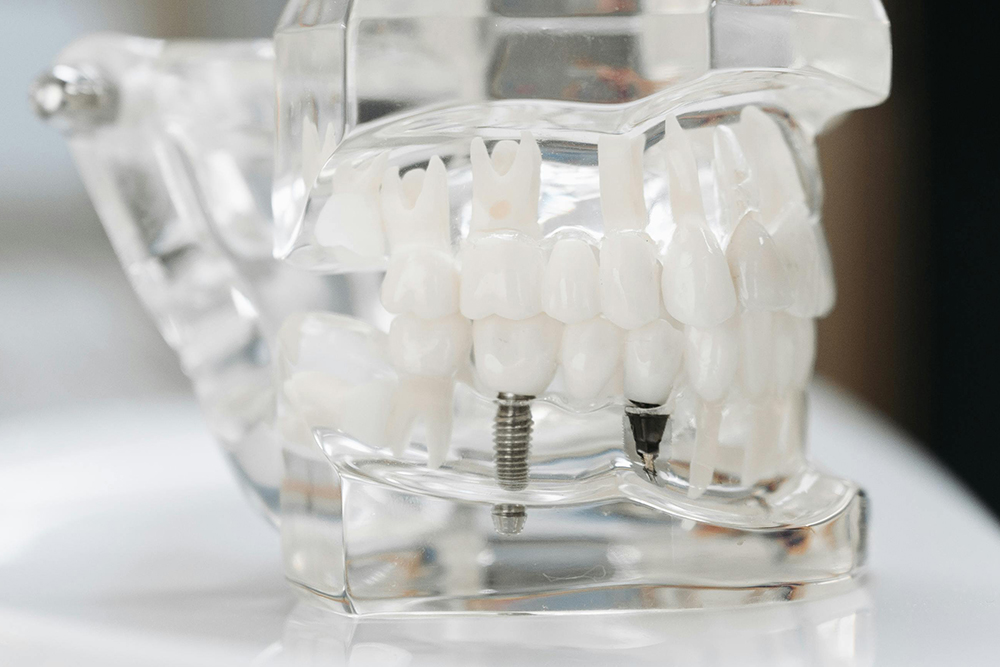
Dental implants are titanium posts that replace tooth roots, offering a solid foundation for artificial teeth and a stable bite. They act as rooted anchors in the jaw, supporting crowns, bridges, or dentures so the replacement teeth feel and function like natural teeth.
The main components include the implant body that sits in the jawbone, an abutment that connects the implant to the crown, and the crown itself, which is the visible part in your mouth. Think of a dental implant as a small, sturdy root substitute designed to restore your bite and smile with natural-looking results.
Over time, the implant fuses with the jawbone in a process called osseointegration, creating a stable foundation that can handle biting forces just like a real tooth root. This natural integration helps provide reliable function, improved chewing, and a more natural appearance compared with some other tooth replacement options.
In practical terms, implants offer a durable path to tooth replacement that can be tailored to your needs. They can support a single crown to replace one tooth or anchor larger restorations like bridges or dentures, giving you a stable, comfortable bite and a confident smile. :contentReference[oaicite:0]{index=0}
How the Dental Implant Procedure Is Done
We understand that starting this journey can feel personal. The process is planned around your anatomy and goals, with steps designed to support comfort and clear results. Your clinician will review your jawbone health, gum condition, and bite, often using detailed imaging to map the exact coordinates for each implant. This helps determine if any bone augmentation or sinus elevation is needed to create a solid foundation.
The surgical phase centers on placing the implant body, a titanium post that sits in the jawbone. Many people have this done in a single procedure, but some cases use a two stage approach: first the implant is placed and covered by gum tissue while it bonds with the bone, and a second surgery uncovers the implant and attaches a post. Over the next several months, the implant fuses with the jawbone through osseointegration, creating stability that closely mirrors a natural root.
After a solid bond forms, an abutment is connected through the gum, and then the crown or another restoration is crafted to attach to that abutment. Depending on your needs, a temporary crown may be placed during healing. The exact timeline varies with bone quality, whether grafting is needed, and the chosen loading protocol.
What to Expect After Treatment
After your final crown is placed, we will focus on gentle, ongoing care to protect your implant and your smile. You will continue to brush and floss, but implant care has specifics that support the artificial root and surrounding gum tissue. Your clinician will tailor a long term plan that may include gentle professional cleanings and periodic imaging to monitor osseointegration and the health of the jawbone.
Right after surgery, it is common to feel mild tenderness, swelling, or bruising. These sensations typically ease within a few days to a couple of weeks, and daily life often stays minimally disturbed. If bone grafting or sinus elevation was part of your treatment, healing may extend a bit longer, and temporary prosthetics may help you regain function during recovery.
Over time, the aim is a stable bite, comfortable chewing, and a natural look. If persistent pain, loosening, or changes in how the crown or denture fits appear, your clinician will review whether a modification, repair, or replacement is needed. Regular professional oversight supports your implant’s longevity as part of your overall oral health journey.
Choosing the Right Provider and Plan
We understand that finding a clinician who listens and explains options with warmth can be reassuring. Look for someone who personalizes plans to your anatomy and goals, and who guides you through each step with clarity and compassion. A patient-centered approach includes honest discussions about bone graft options, whether endosteal or subperiosteal implants are appropriate, and how different loading timelines impact comfort and function.
Ask about whether a one-stage or two-stage surgical plan fits you best, based on bone density and gum health. A transparent clinician will outline what happens at each stage and what to expect during healing, so you feel informed and supported throughout the journey.
Costs and coverage vary by region and procedure, including imaging, implants, grafts, and eventual prosthetics. A thoughtful clinician will share transparent ranges, explain inclusions, and help you understand what may be optional. They will also review lifestyle factors like smoking or medications that can influence healing and long-term success, so you can plan with confidence.
Choose a provider who follows evidence-based protocols, aligns with recognized standards, and offers clear explanations of risks, success rates, and maintenance needs. When you understand these factors, you can participate actively in planning and feel confident about a comfortable, lasting result.
Are Implants Painful? How Long Do They Last? Do Implants Look Natural?
You deserve a calm, supportive answer. Most people experience only mild discomfort during and after placement, manageable with standard local anesthesia and gentle pain relief. Your clinician will guide you through what to expect after surgery and how to care for yourself during healing, helping you feel at ease throughout the process.
With proper care, dental implants can last for many years, often a lifetime. Longevity depends on factors like jawbone and gum health, consistent oral hygiene, avoiding smoking if advised, and regular professional check-ups. A thoughtful care plan from your clinician supports long-term success.
In terms of appearance, implants are designed to resemble natural teeth. The crown atop the implant is color-matched to neighboring teeth for a seamless look, and the root-like support provides stability that helps preserve facial contours and bite function. With ongoing maintenance and routine dental visits, aesthetics and function are strengthened over time.
Implant success depends on several factors, including bone density, gum health, and overall medical conditions. While failures are uncommon when planning is careful and care is ongoing, every case is unique. If an issue arises, your clinician can discuss adjustments to protect function and aesthetics and help you stay comfortable with your plan.
During your consultation, you will learn about expected timelines, potential risks, and the healing process so you can approach treatment with clear goals and a realistic plan. We are here to answer your questions and support you every step of the way.
Conclusion
You deserve to feel confident about your smile, and dental implants can offer a durable, natural-looking solution when planned with care for your jawbone, bite, and goals. A professional assessment is the essential first step to determine if implants are right for you and to outline the best restoration plan.
With proper care, dental implants stay strong over time. This means daily brushing, flossing, and routine visits to your dentist help protect gum health and jawbone health, supporting longevity and function for years to come. Regular professional cleanings reduce the risk of infection and complications, helping implants maintain their strength and beauty for many years.
When you are ready to move forward, scheduling a consultation allows you to review imaging, discuss options such as bone grafts if needed, and understand the path from consultation to final crown. We are here to support your questions and decisions at every milestone, walking with you toward a comfortable, functional smile.
If you have been thinking about getting dental implants please contact us.