




 CLICK TO CALL
Dental Health Blog from Your Erin Dentist
Helpful dental tips and treatment information from the Erin Hills Dental team.
What are Root Canals? A Complete Beginner’s Guide
April 22, 2026 / Root Canals
Understanding Root Canal Treatment
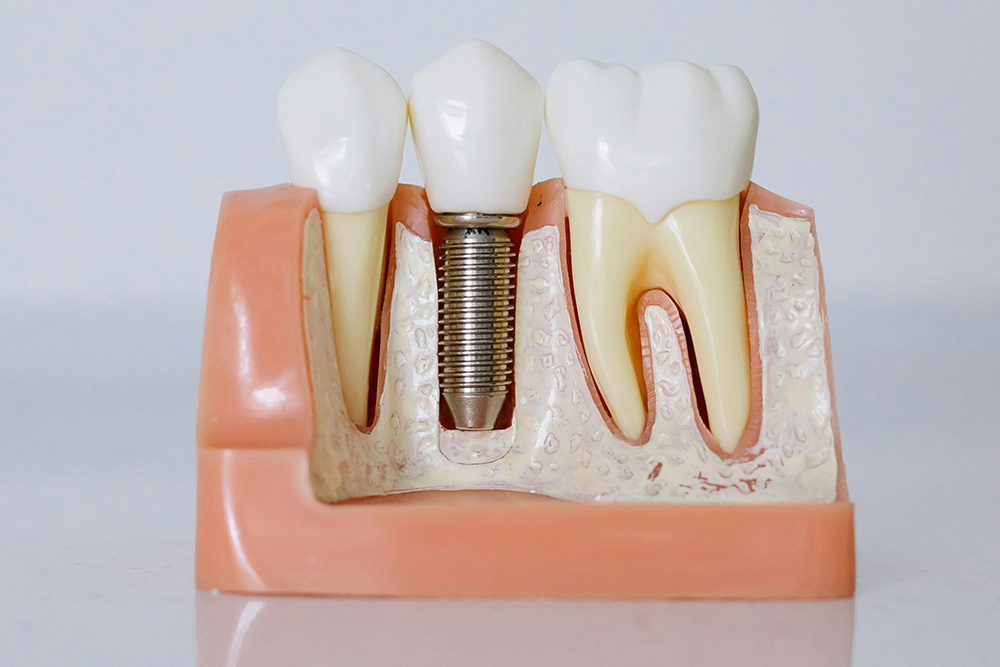
Imagine your tooth like a tiny fortress. On the outside, it looks solid and strong, but inside there is a soft, living core called the pulp. This pulp contains nerves, blood vessels, and connective tissue that keep your tooth alive and responsive. When everything is healthy, you do not even notice it is there. But when infection creeps in, that inner core becomes a source of intense pain and inflammation.
A root canal is a dental procedure designed to remove that infected pulp while preserving the outer structure of the tooth. Instead of pulling the tooth out entirely, dentists clean out the infection, disinfect the inner canals, and seal the tooth to prevent further damage. Think of it as renovating a damaged house rather than demolishing it. The goal is always preservation, keeping your natural tooth intact for as long as possible.
Why the Pulp Gets Infected
The pulp does not just get infected randomly. It usually happens when bacteria find their way inside the tooth. This can occur due to deep cavities, cracks, trauma, or repeated dental procedures. Once bacteria enter, they multiply quickly, leading to infection and pressure buildup. That pressure is what causes the throbbing pain people often associate with root canals.
If left untreated, the infection can spread beyond the tooth, affecting surrounding bone and even your overall health. That is why root canal treatment is not just about comfort, it is about preventing bigger problems down the road.
Signs You May Need a Root Canal
Common symptoms
Your body has a way of signaling when something is wrong, and your teeth are no exception. One of the most noticeable signs is persistent tooth pain, especially when chewing or applying pressure. This pain can range from mild discomfort to severe, sharp sensations that disrupt your daily life.
Other symptoms include sensitivity to hot or cold that lingers even after the stimulus is gone, swollen or tender gums, and discoloration of the tooth. Sometimes, you might even notice a small pimple like bump on the gum, which indicates an abscess. These signs should not be ignored, they are your body’s way of asking for help.
When to see a dentist
Here is the thing, not all tooth pain means you need a root canal. But waiting too long to find out can make things worse. If your symptoms last more than a day or two, or if the pain is severe, it is time to see a dentist. Early intervention can mean the difference between a simple filling and a more complex procedure.
What Causes Root Canal Infections
Tooth decay and trauma
The most common cause of root canal infections is deep tooth decay. When cavities are left untreated, they gradually eat through the enamel and dentin, eventually reaching the pulp. At that point, bacteria have direct access to the inner tissues.
Trauma is another major factor. A sudden blow to the mouth, whether from sports, accidents, or even biting down on something hard, can damage the pulp. Sometimes the damage is not immediately visible, but over time it can lead to infection.
Cracks and repeated dental work
Cracked teeth are like open doors for bacteria. Even tiny fractures can allow microorganisms to seep inside, leading to infection. Repeated dental procedures on the same tooth can also weaken it, making it more susceptible to damage and infection.
The Root Canal Procedure Explained
Diagnosis and imaging
Before anything begins, your dentist will take X rays to assess the extent of the infection. This helps determine whether a root canal is necessary and how complex the procedure will be.
Cleaning and shaping the canal
Once the area is numbed, the dentist creates a small opening in the tooth to access the pulp chamber. The infected tissue is carefully removed, and the canals are cleaned and shaped using specialized instruments.
Filling and sealing
After cleaning, the canals are filled with a biocompatible material and sealed to prevent reinfection. In most cases, a crown is placed on top to restore strength and function.
Does a Root Canal Hurt?
Let’s clear up one of the biggest myths. Modern root canals are not the horror story people think they are. Thanks to advanced anesthesia and technology, the procedure is often no more uncomfortable than getting a filling. In fact, the pain you feel before the treatment, caused by the infection, is usually far worse than the procedure itself.
How Long Does a Root Canal Take?
A typical root canal can take anywhere from 60 to 90 minutes, depending on the complexity of the tooth. Molars, which have multiple canals, may require more time or multiple visits. Front teeth, on the other hand, are usually quicker to treat.
Root Canal Success Rates and Longevity
Root canals have an impressive track record. Modern procedures boast success rates of 95% or higher, with millions performed safely each year. Long term studies show success rates ranging from about 85% to nearly 90%, depending on how success is measured.
Here’s a quick comparison
| Study Type | Success Rate |
|---|---|
| Clinical estimates | 95–98% |
| Long-term studies | ~85–90% |
| Strict evaluation criteria | ~74–80% |
Benefits of Root Canal Treatment
Saving your natural tooth is the biggest advantage. You maintain your natural bite, avoid shifting teeth, and preserve your jawbone structure. It is also more cost effective in the long run compared to replacing a missing tooth with implants or bridges.
Risks and Potential Complications
No procedure is completely risk free. In some cases, infection may persist or return, requiring retreatment. However, these situations are relatively rare when the procedure is done properly.
Root Canal vs Tooth Extraction
Choosing between a root canal and extraction is like deciding whether to repair or replace something valuable. Extraction may seem simpler, but it often leads to additional procedures like implants or bridges. Root canals, on the other hand, focus on preservation.
Cost of Root Canal Treatment
Costs vary depending on the tooth and complexity. Molars tend to be more expensive due to their structure. While the upfront cost might seem high, it is often more affordable than long term replacement options.
Recovery After a Root Canal
Recovery is usually quick. Mild discomfort for a few days is normal, but it can be managed with over the counter pain relievers. Most people return to normal activities the next day.
How to Care for Your Tooth After Treatment
Good oral hygiene is key. Brush twice daily, floss regularly, and attend routine dental checkups. Avoid chewing hard foods on the treated tooth until it is fully restored.
Myths and Misconceptions About Root Canals
Many people still believe root canals are painful or dangerous. In reality, they are safe, effective, and designed to relieve pain, not cause it.
Advances in Modern Root Canal Technology
Today’s dentistry uses digital imaging, rotary instruments, and advanced sealing materials. These innovations make procedures faster, more precise, and more comfortable.
When You Might Need Retreatment
Sometimes, a tooth may not heal properly or becomes reinfected. Retreatment involves reopening the tooth, cleaning it again, and resealing it.
Alternatives to Root Canal Treatment
The main alternative is extraction. However, this often leads to additional procedures and higher costs over time.
Who Performs Root Canals?
General dentists can perform root canals, but complex cases are often referred to endodontists, specialists in treating the inside of the tooth.
Preventing the Need for a Root Canal
Prevention is always better than treatment. Regular dental visits, proper brushing, flossing, and avoiding sugary foods can significantly reduce your risk.
Conclusion
Root canals have come a long way from their outdated reputation. They are now one of the most effective ways to save a natural tooth and eliminate pain caused by infection. With high success rates, minimal discomfort, and long term benefits, it is a procedure that prioritizes preservation over replacement. If you are dealing with tooth pain, addressing it early can make all the difference.
Root Canals FAQs
- How long does a root canal last?
A well done root canal can last decades or even a lifetime with proper care. - Is a crown always needed after a root canal?
In most cases, yes, especially for molars, to restore strength and prevent fractures. - Can a root canal fail?
Yes, but it is uncommon. Retreatment or additional procedures can usually fix the issue. - Is it better to extract a tooth instead?
Saving your natural tooth is almost always the better option when possible. - How soon can I eat after a root canal?
You can eat once the numbness wears off, but it is best to stick to soft foods initially.
If you are interested in getting a dental assessment for a root canal or any other dental procedure please contact us.